

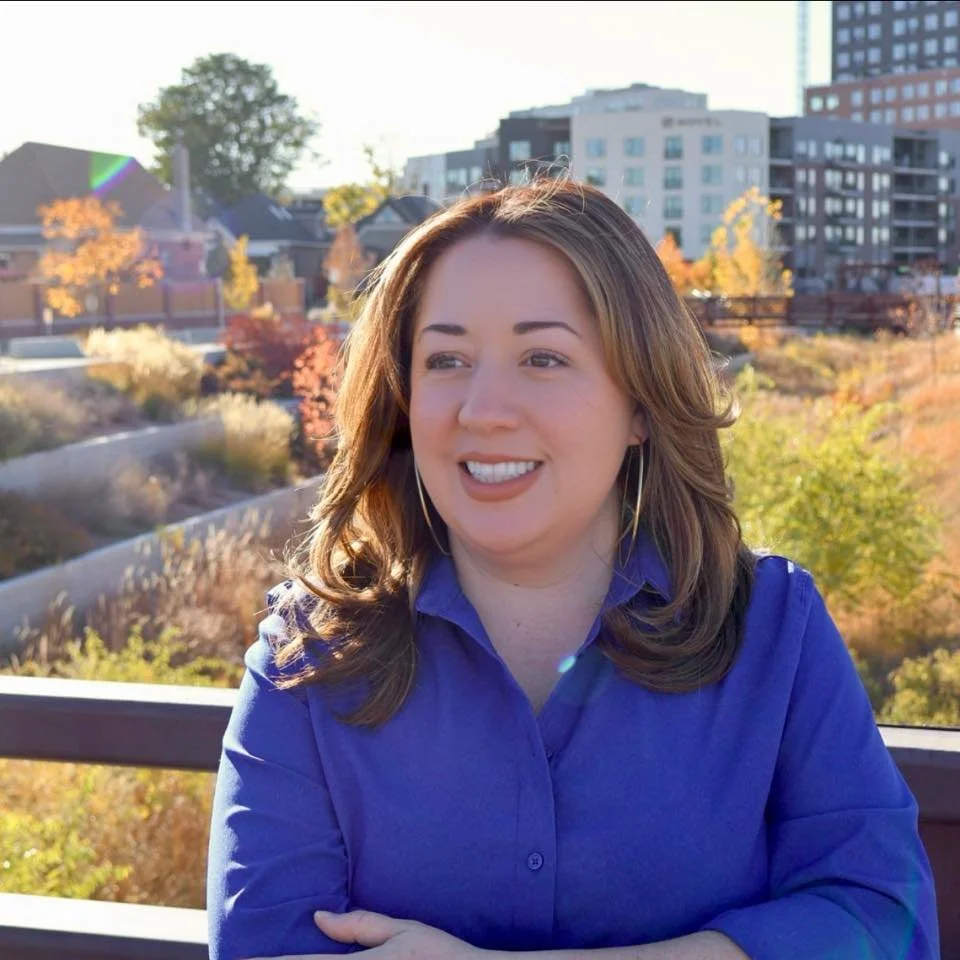
Rooted here. Fighting for justice where we live.
Growing up in Denver, my friends called me “Justa-Jus” or “Justice” because I was always standing up for what was fair. That is why I am the candidate who advocates for justice. I stand firmly for Health Justice, Environmental Justice, and Economic Justice — because justice is about whether people can live healthy, stable lives in the communities they call home.
We all deserve clean neighborhoods, affordable housing, access to healthcare, fair wages, and reliable transportation. These are not luxuries. They are the basics that allow people to live, move, and thrive.
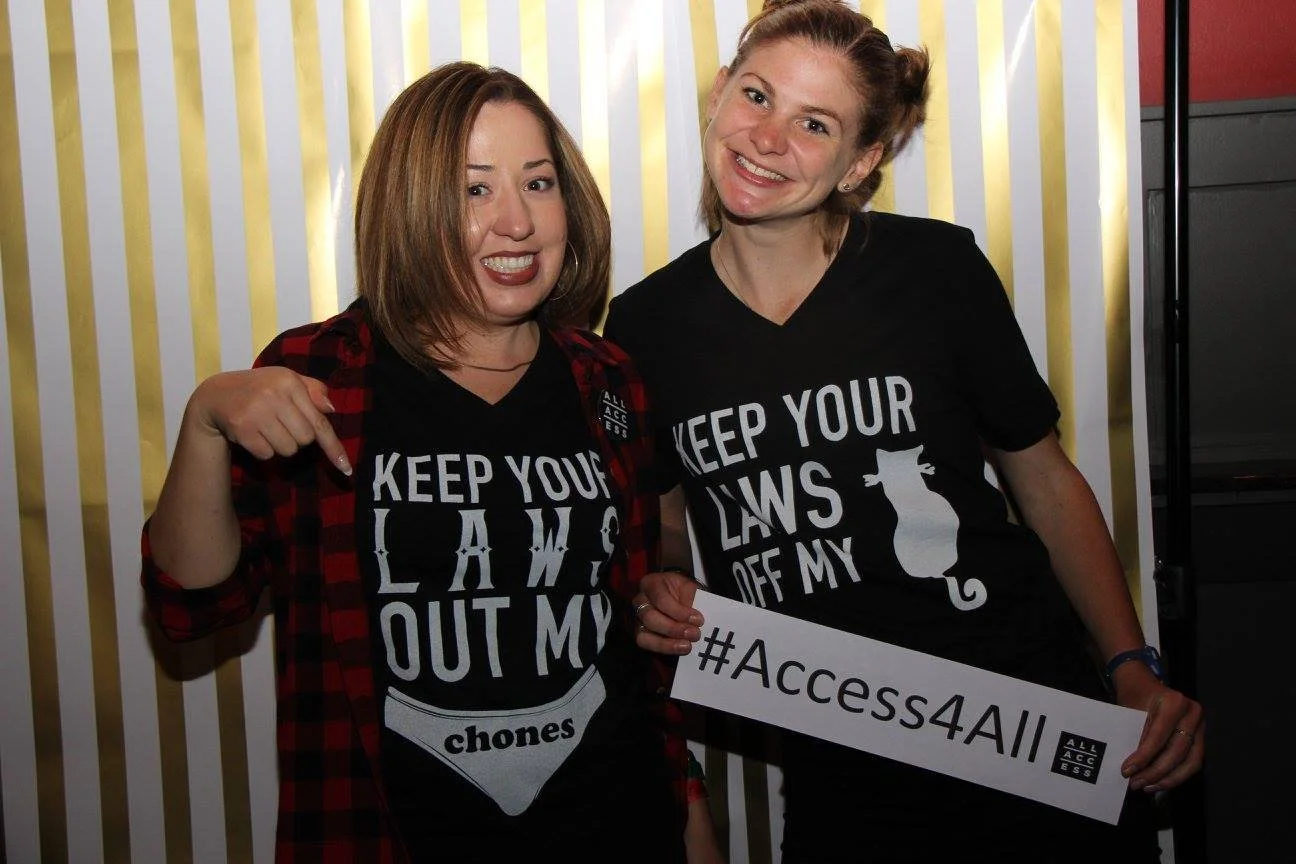
Health Justice
Health justice asks a simple but powerful question:
Can people access the care and conditions they need to be healthy — regardless of where they live?
It also asks whether people have the power, resources, and freedom to make decisions about their bodies, their families, and their futures.
Too many people in our city need more care than they can access — and when care is available, lives improve for everyone. That includes mental health care, disability-informed care, and care that respects people’s identities and lived experiences. Health justice means ensuring LGBTQIA+ people can access affirming care and that disabled community members are not pushed out of systems that were never designed with them in mind.
Health justice also means ensuring safe and equitable pregnancy and birth outcomes, especially for communities of color and people facing compounded barriers to care.
Investing in the health of our communities is not a handout — it is an investment in our collective future.
We already pool our resources. It’s time to take back control of how our money is spent and invest it where it actually improves people’s lives.
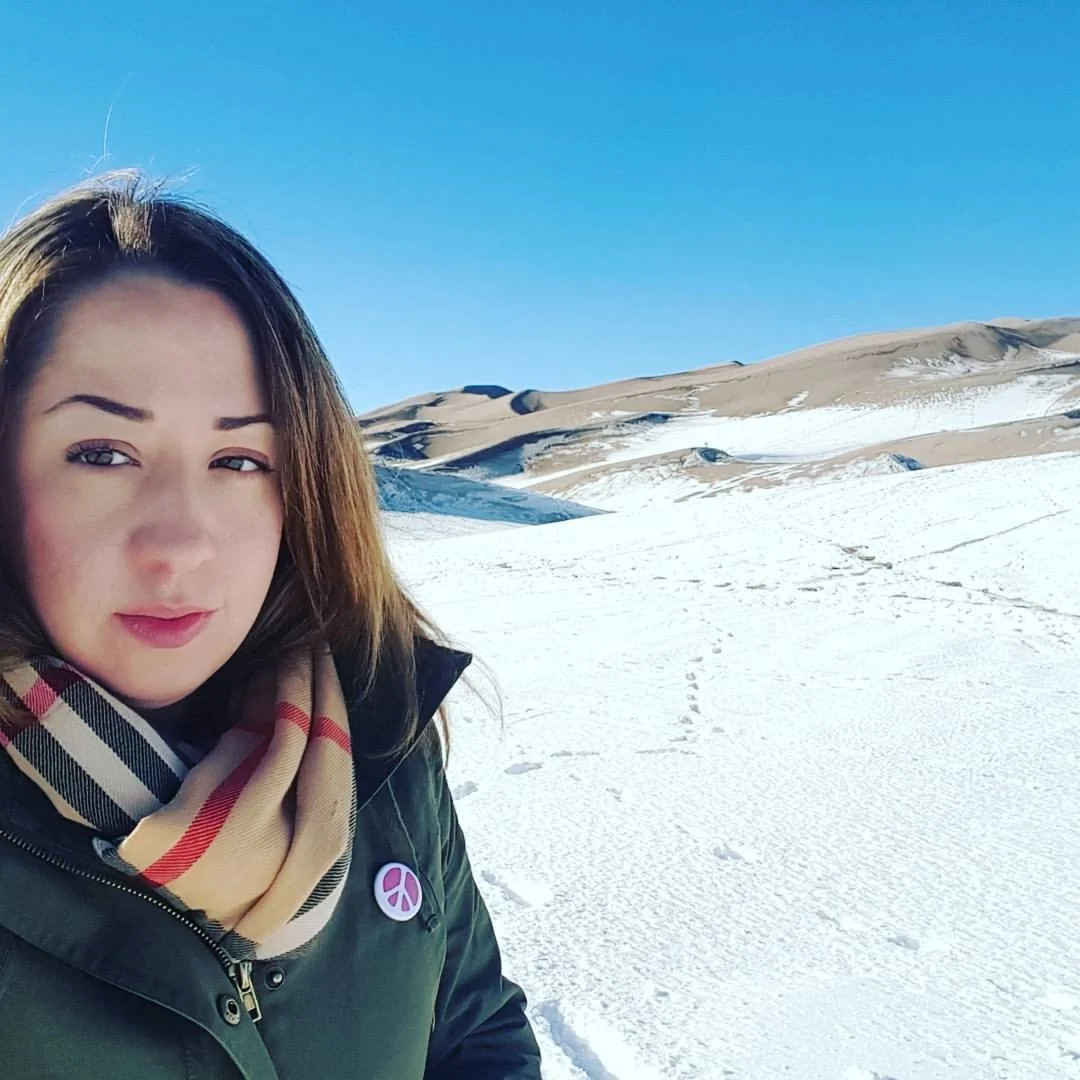
Environmental Justice
Environmental injustice is not abstract — it is lived.
I know the brown cloud.
I know the Purina smells.
I know the sounds of industry that so many poor communities of color have lived alongside for generations — from smelters to factories.
Neighborhoods like Globeville, Swansea, and Elyria have carried the weight of pollution for decades, but they are not alone. Redlining and segregation pushed families into the most toxic environments — and those communities have paid the price with their health.
Environmental harm falls hardest on elders, disabled residents, and people with chronic health conditions — those who are most impacted by poor air quality, unsafe housing, and lack of green space.
Now, these same areas are finally being cleaned up and redeveloped. That progress matters. But we cannot forget the families who endured, organized, and fought for the right to raise their children in a clean, healthy, and accessible environment.
Environmental justice means protecting longtime residents, holding polluters accountable, and ensuring clean air, clean water, and safe neighborhoods for everyone — not just when development becomes profitable.
I am committed to all aspects of environmental justice.
Economic Justice
I stand for economic justice because no one should be working full-time and still struggling to afford housing, healthcare, or basic necessities.
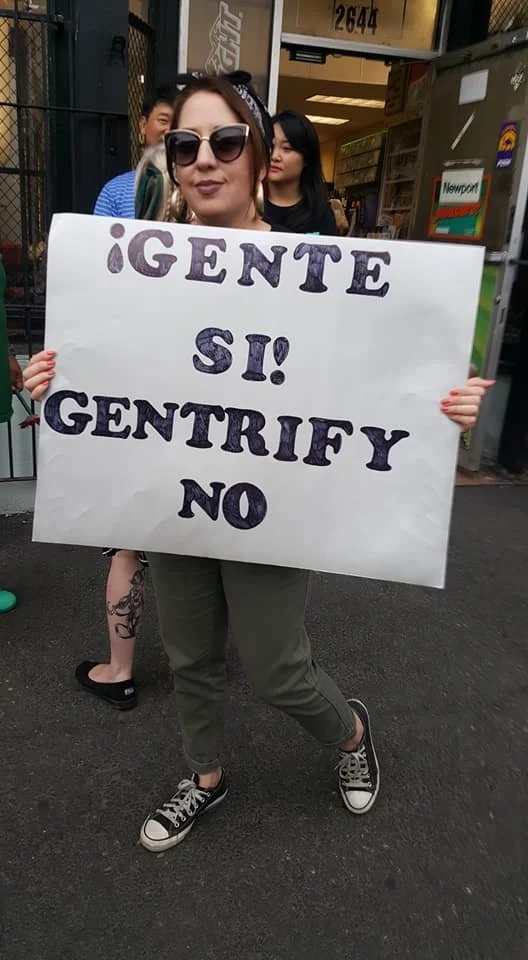
Denver’s cost of living has risen faster than wages, pushing working families farther from the neighborhoods they’ve built their lives in. Economic stability is foundational because it affects people’s health, their families, and their ability to fully participate in their communities. Fair wages, strong worker protections, and affordable housing create dignity, opportunity, and long-term stability for everyone!
Downtown Denver should work for everyone, and its success should benefit everyone. The people who keep downtown running — restaurant workers, hospitality staff, office workers, service workers, and entertainment workers — should be able to afford to live nearby, access reliable and accessible public transportation, and spend less time commuting and more time living.
I’ve lived in Denver my entire life, and it has become harder to get from point A to point B. Long commutes, unreliable service, and inaccessible infrastructure make daily life harder than it needs to be. People should be able to plan their day-to-day lives with confidence, regardless of their abilities. Reliable, accessible transportation is essential to economic participation and independence in a city like ours.
Economic justice in Denver also means protecting small businesses and neighborhood restaurants, from downtown corridors to longtime commercial streets, so they can thrive alongside larger corporations, not be pushed out by rising rents and changing priorities.
I believe in diverse Denver neighborhoods where people of different incomes, backgrounds, abilities, and identities can live and thrive together. A strong city is one where the people who make it work can actually afford to stay.